
10 uncommonly used filipino words

1. Filipino word: ANAKULA

English translation: CAPTAIN

Definition: An airline captain has overall responsibility for the safe and efficient operation of the aircraftand the safety of crew and passengers. … Airline captain responsibilities might include: Ensure all information on the route, weather, passengers and aircraft is received.

Sentence example: Siya ang anakula ng ating eroplano.

2. Filipino word: Sipnayan

English translation: mathematics

Definition: the abstract science of number, quantity, and space. Mathematics may be studied in its own right ( pure mathematics ), or as it is applied to other disciplines such as physics and engineering ( applied mathematics ).

Sentence example: gustong gusto ko ang sipnayan

3. Filipino word:Hatinig

English translation: Telephone

Definition: a system for transmitting voices over a distance using wire or radio, by converting acoustic vibrations to electrical signals.

Sentence example: ginamit ko ang hatinig upang tawagan ang aking kaklase

4. Filipino word: Pook-sapot

English translation: website

Definition: A place on the World Wide Web that contains information about a person, organization, etc., and that usually consists of many Web pages joined by hyperlinks.

Sentence example: Napakaganda naman ng iyong ginawang Pook-sapot nakakamangha naman ang laman nito.

5. Filipino word: Sulatroniko

English translation: e-mail

Definition:A system for sending messages from one computer to another computer.

Sentence example: Ipadala mo na ang sulatroniko sa iyong pag-aaplayan
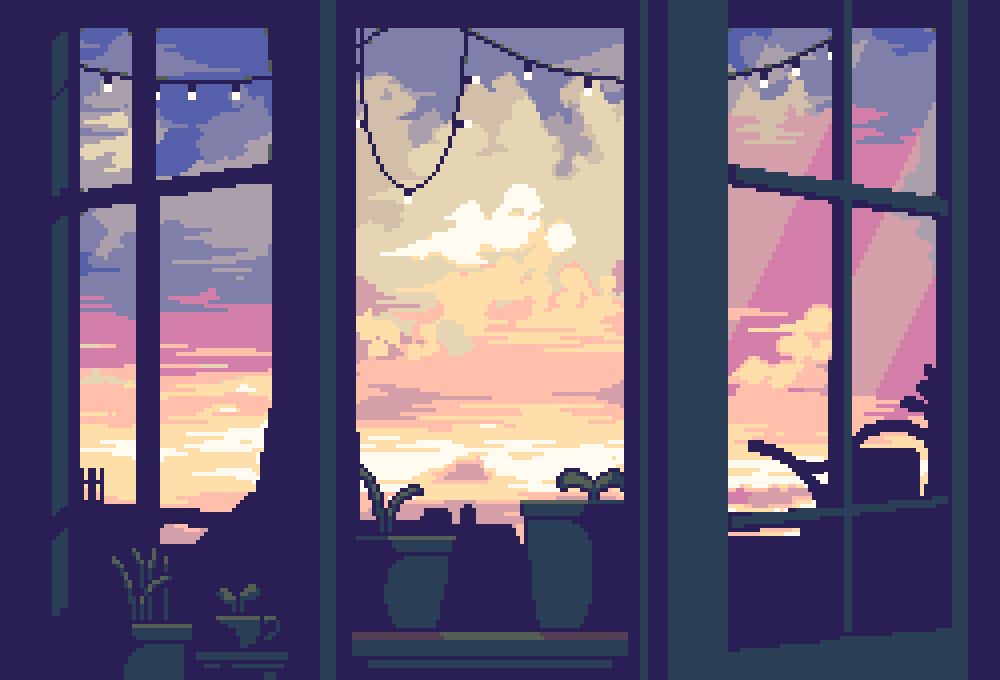
6. Filipino word: Durungawan

English translation: Window

Definition: An opening in the wall or roof of a building or vehicle that is fitted with glass or other transparent material in a frame to admit light or air and allow people to see out.

Sentence example: Binuksan niya ang durungawan ng kanyang bahay para makapasok ang hangin.

7. Filipino word: Salumpuwit

English translation: Chair

Definition: a separate seat for one person, typically with a back and four legs.

Sentence example: iisa na lang ang natirang salumpuwit sa silid aralan.

8. Filipino word: katipan

English translation: Husband/wife

Definition:A man and woman who are legally married to one another and are thereby given by law specific rights and duties resulting from that relationship

Sentence example: Nagdagsaan ang mga magkatipan sa parke noong nakaraang Araw ng mga Puso.

9. Filipino word: Payneta

English translation: Comb

Definition:a strip of plastic, metal, or wood with a row of narrow teeth, used for untangling or arranging the hair.

Sentence example: Nalaman ko na lamang na naiwan ni Maria ang kanyang paynetana hihiramin ko sana.

10. Filipino word: Antipara

English translation: eyeglasses

Definition: Devices consisting of glass or hard plastic lenses mounted in a frame that holds them in front of a person’s eyes.

Sentence example: Dapat bumili ka na ng antipara dahil malabo na ang mga mata mo.

Introduce Yourself (Example Post)

This is an example post, originally published as part of Blogging University. Enroll in one of our ten programs, and start your blog right.

You’re going to publish a post today. Don’t worry about how your blog looks. Don’t worry if you haven’t given it a name yet, or you’re feeling overwhelmed. Just click the “New Post” button, and tell us why you’re here.

Why do this?

  • Because it gives new readers context. What are you about? Why should they read your blog?
  • Because it will help you focus your own ideas about your blog and what you’d like to do with it.

The post can be short or long, a personal intro to your life or a bloggy mission statement, a manifesto for the future or a simple outline of your the types of things you hope to publish.

To help you get started, here are a few questions:

  • Why are you blogging publicly, rather than keeping a personal journal?
  • What topics do you think you’ll write about?
  • Who would you love to connect with via your blog?
  • If you blog successfully throughout the next year, what would you hope to have accomplished?

You’re not locked into any of this; one of the wonderful things about blogs is how they constantly evolve as we learn, grow, and interact with one another — but it’s good to know where and why you started, and articulating your goals may just give you a few other post ideas.

Can’t think how to get started? Just write the first thing that pops into your head. Anne Lamott, author of a book on writing we love, says that you need to give yourself permission to write a “crappy first draft”. Anne makes a great point — just start writing, and worry about editing it later.

When you’re ready to publish, give your post three to five tags that describe your blog’s focus — writing, photography, fiction, parenting, food, cars, movies, sports, whatever. These tags will help others who care about your topics find you in the Reader. Make sure one of the tags is “zerotohero,” so other new bloggers can find you, too.

Introduce Yourself (Example Post)

This is an example post, originally published as part of Blogging University. Enroll in one of our ten programs, and start your blog right.

You’re going to publish a post today. Don’t worry about how your blog looks. Don’t worry if you haven’t given it a name yet, or you’re feeling overwhelmed. Just click the “New Post” button, and tell us why you’re here.

Why do this?

  • Because it gives new readers context. What are you about? Why should they read your blog?
  • Because it will help you focus your own ideas about your blog and what you’d like to do with it.

The post can be short or long, a personal intro to your life or a bloggy mission statement, a manifesto for the future or a simple outline of your the types of things you hope to publish.

To help you get started, here are a few questions:

  • Why are you blogging publicly, rather than keeping a personal journal?
  • What topics do you think you’ll write about?
  • Who would you love to connect with via your blog?
  • If you blog successfully throughout the next year, what would you hope to have accomplished?

You’re not locked into any of this; one of the wonderful things about blogs is how they constantly evolve as we learn, grow, and interact with one another — but it’s good to know where and why you started, and articulating your goals may just give you a few other post ideas.

Can’t think how to get started? Just write the first thing that pops into your head. Anne Lamott, author of a book on writing we love, says that you need to give yourself permission to write a “crappy first draft”. Anne makes a great point — just start writing, and worry about editing it later.

When you’re ready to publish, give your post three to five tags that describe your blog’s focus — writing, photography, fiction, parenting, food, cars, movies, sports, whatever. These tags will help others who care about your topics find you in the Reader. Make sure one of the tags is “zerotohero,” so other new bloggers can find you, too.

Introduce Yourself (Example Post)

This is an example post, originally published as part of Blogging University. Enroll in one of our ten programs, and start your blog right.

You’re going to publish a post today. Don’t worry about how your blog looks. Don’t worry if you haven’t given it a name yet, or you’re feeling overwhelmed. Just click the “New Post” button, and tell us why you’re here.

Why do this?

  • Because it gives new readers context. What are you about? Why should they read your blog?
  • Because it will help you focus your own ideas about your blog and what you’d like to do with it.

The post can be short or long, a personal intro to your life or a bloggy mission statement, a manifesto for the future or a simple outline of your the types of things you hope to publish.

To help you get started, here are a few questions:

  • Why are you blogging publicly, rather than keeping a personal journal?
  • What topics do you think you’ll write about?
  • Who would you love to connect with via your blog?
  • If you blog successfully throughout the next year, what would you hope to have accomplished?

You’re not locked into any of this; one of the wonderful things about blogs is how they constantly evolve as we learn, grow, and interact with one another — but it’s good to know where and why you started, and articulating your goals may just give you a few other post ideas.

Can’t think how to get started? Just write the first thing that pops into your head. Anne Lamott, author of a book on writing we love, says that you need to give yourself permission to write a “crappy first draft”. Anne makes a great point — just start writing, and worry about editing it later.

When you’re ready to publish, give your post three to five tags that describe your blog’s focus — writing, photography, fiction, parenting, food, cars, movies, sports, whatever. These tags will help others who care about your topics find you in the Reader. Make sure one of the tags is “zerotohero,” so other new bloggers can find you, too.

Design a site like this with WordPress.com
Get started